
Dental Implants
Dental Implants Support Healthy, Beautiful Smiles

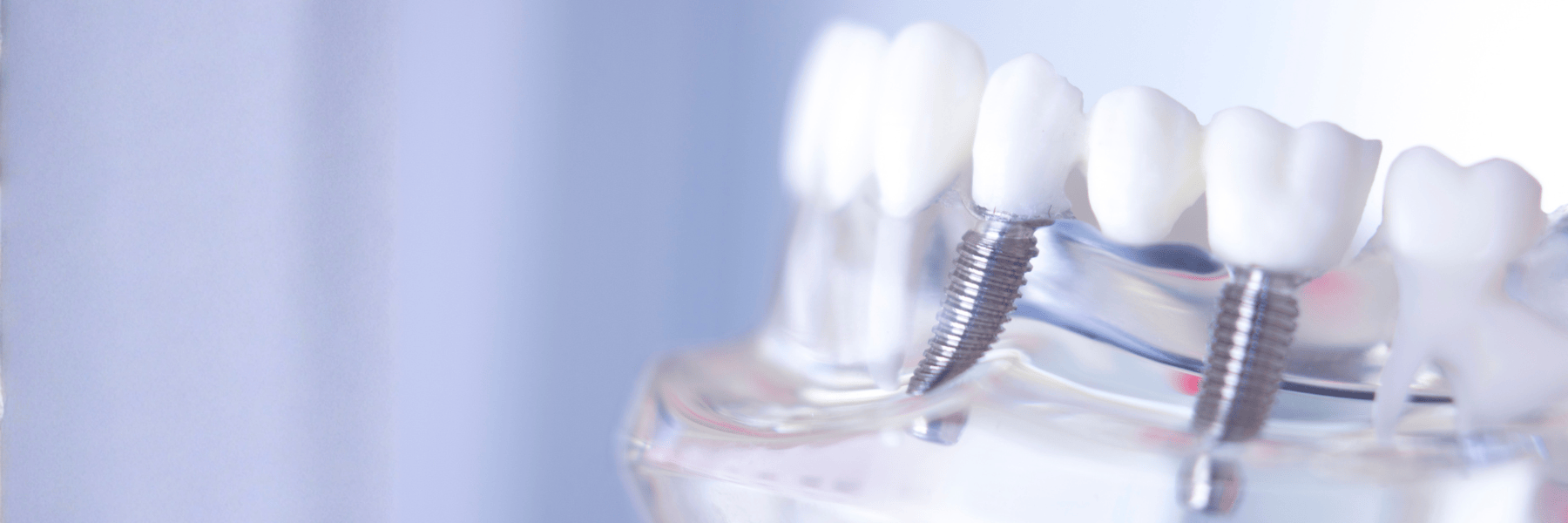
Dental implants look, feel, and function like a natural tooth.

Dental Implants | Dentist

Dental Implants

Dental implants are a long-term solution to tooth loss and are the replacement that dentists most often recommend, with good reason!

Unlike removable dentures or partials, you won’t experience problems with slipping or shifting, and implants don’t require a specialized daily care routine beyond regular brushing and flossing. We do not need to alter existing, healthy teeth with dental implants; we can support a dental bridge with implants. 

Do I Need Dental Implants?

For many people, missing teeth present a mostly cosmetic problem, which is a legitimate concern: Missing teeth carry a stigma, and people with missing teeth may find themselves unfairly judged in many social settings.

Unfortunately, the problem of missing teeth goes beyond aesthetics. Tooth loss puts additional stress on your remaining teeth, leading to damage such as fractures and breakage. You may find it difficult or even painful to enjoy the fresh, healthy foods you need for proper nutrition and nourishment.

One or more missing teeth can eventually lead to significant bone loss in your jaw as the bone atrophies from lack of use. Over time, jawbone loss leads to visible changes in your face and causes a prematurely aged appearance.

Dental implants will stop bone loss in its tracks, which even dentures and partials cannot do.

Frequently Asked Questions

Dental implants are intended to blend in seamlessly with your natural teeth.

One of the advantages of this is that you can brush them and floss them the same as you would with your regular teeth. While implants never get cavities (and never need root canals!), you still want to continue brushing and flossing to keep your natural teeth and your gums healthy.

Am I a Good Dental Implant Candidate?
While most healthy adults are eligible for tooth implants, some health conditions can affect placement results.

When you visit our office to discuss dental implants, we will ask several questions about your health history. These questions help us determine whether dental implants are the right option for you. Don’t worry—even if you have a health concern, we can likely work with you. We need to know about any conditions and take the necessary precautions to account for them.

How Are Dental Implants Placed?

Before beginning the implant process, we perform a full examination, including x-rays. Because the implant is attached directly to your jaw, we need to know the condition of your bone. Dr. Jeffers may recommend bone grafts and other procedures to build up your jawbone if necessary.

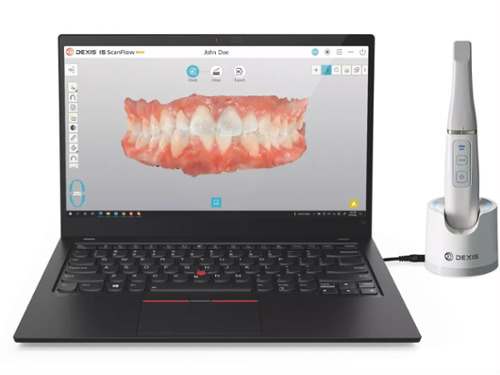
We will then refer you to an experienced oral surgeon to place the titanium implant post in your jawbone. A temporary crown or appliance may be made to fit over the implant while you are healing. When you have healed sufficiently, you will return to our office for digital impressions to fabricate a custom crown for your dental implant. The final step is to check the crown for fit and appearance, and your implant will be complete.

For more information about tooth implants or to schedule an appointment, please call our dental practice today.

  • Dr. Andrew Jeffers

    Dr. Andrew Jeffers has been caring for Bedford families since 2016, when he joined the practice as an associate. In 2017, he purchased Bedford Family Dentistry from Dr. James Seitz, continuing the practice's legacy of excellent care while bringing his own vision and energy to it.

    Dr. Jeffers earned his Bachelor of Science in Biology from Saint Vincent College in Latrobe, PA, in 2006, followed by his Doctor of Dental Medicine degree from Temple University School of Dentistry in Philadelphia in 2010. He is an active member of the American Dental ...

    Read More

Dental Implants Technology

Digital Impressions

With the Dexis intraoral scanner, we no longer need to take goopy impressions of your teeth in order to create customized appliances or aligners. We can perform a quick scan and then send your scans directly to the dental laboratory. Advanced scanners also allow dentists to identify dental issues, track the progress of treatments, and more. This fantastic new technology makes your dental experiences faster, more comfortable, and more convenient.